Oliver Tress Biography: The Private Founder Behind Oliver Bonas

By Smiley
Updated Jul 6, 2026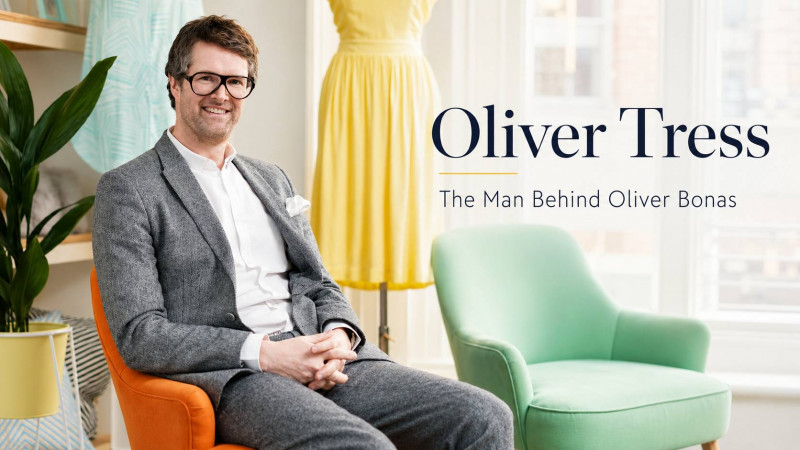
Oliver Tress is best known as the founder of Oliver Bonas, the British lifestyle retail brand built around fashion, jewellery, homeware, gifts and colourful design. He is not a loud public entrepreneur, but his name attracts attention for two reasons: the growth of Oliver Bonas and his past connection to Gina Coladangelo, who became widely known during the Matt Hancock controversy.
Quick Profile
| Detail | Information |
| Full name | Oliver James Mark Tress |
| Also known as | Olly Tress |
| Date of birth | May 1967 |
| Nationality | British |
| Known for | Founder and owner of Oliver Bonas |
| Education | Marlborough College and Durham University |
| Business founded | Oliver Bonas |
| First store | London, 1993 |
| Industry | Lifestyle retail, fashion, homeware, gifts and jewellery |
| Public interest | Business success and past marriage to Gina Coladangelo |
Companies House lists Oliver James Mark Tress as a British director of Oliver Bonas Limited, with a date of birth in May 1967. The official Oliver Bonas website describes him as the founder and owner of the company.
Early Life and Family Background

Oliver Tress’s early life helps explain the personality of the business he later built. The Oliver Bonas brand says his love of design and exploratory spirit came from a creative family background and from living in different countries across America, Asia and Africa. That detail matters because Oliver Bonas never developed like a standard high-street chain built around one narrow category. It grew around travel, taste, objects, colour and discovery.
Tress did not build his public identity around childhood hardship or celebrity connections. His early background is more useful for understanding his eye as a retailer. A person who grows up around different cultures, markets and domestic styles can develop a sharper sense of what people notice, keep, gift and display. That instinct later became part of Oliver Bonas’s formula: products that feel personal enough to buy as a gift, but practical enough to sit inside a mainstream store.
Education and Early Interests
Tress studied anthropology at Durham University before entering retail. His LinkedIn profile lists Durham University from 1986 to 1989, while a Jazz Shapers profile also describes him as having left university with an anthropology degree before opening his first store at the age of 25.
The anthropology detail is not just a line on his education record. It fits the business he created. Oliver Bonas is not only about selling dresses, earrings, candles or vases. It is about understanding how people behave in a shop, what they pick up, what feels giftable and what makes an object feel chosen rather than mass-produced. That human-behaviour angle gives his career story more depth than the usual founder biography.
The Small Start Before Oliver Bonas
Before Oliver Bonas became a recognised high-street name, it began as a small informal business. While Tress was at university, his parents were living in Hong Kong. He started bringing back handbags, watches and gifts for friends, then began selling to a wider group. In a 2023 interview, he said that after university, while others were looking for graduate jobs, he had the feeling that he wanted to do his own thing.
That early stage is important because it shows that Oliver Bonas did not begin as a polished retail concept. It started with instinctive buying. Tress found products he liked, brought them back, tested whether people responded to them, and slowly turned that habit into a business. The first version of the idea was closer to personal sourcing than corporate retail planning.
This is also where his founder personality becomes clear. Tress was not trying to build a department store or copy a major fashion chain. He noticed that people responded to small, well-chosen items. That small insight later became the backbone of Oliver Bonas.
The Birth of Oliver Bonas
Oliver Bonas opened its first store in London in 1993. The official company story says Tress set up the first store that year and that, three decades later, the brand still channels his curiosity into fashion and homeware. A Jazz Shapers profile adds that the first store was on Fulham Road and brought together homeware, accessories and jewellery sourced from the Far East, the UK and Europe.
The early store did not succeed because it had one famous product. It worked because of the mix. Bags, jewellery, accessories, small gifts and homeware sat together in a way that encouraged browsing. That was the real breakthrough. Oliver Bonas became a place where customers could enter without a fixed shopping mission and still find something that felt useful, pretty or personal.
One of the lesser-known facts about the brand is the name itself. Many people assume Oliver Bonas was named after a person called Oliver Bonas, but the “Oliver” came from Oliver Tress. The “Bonas” part has been widely reported as linked to Anna Bonas, his then-girlfriend. This small detail adds to the brand’s unusual identity: it sounds like a heritage name, but the business was really built from a young founder’s personal taste and early sourcing experience.
How Oliver Bonas Grew
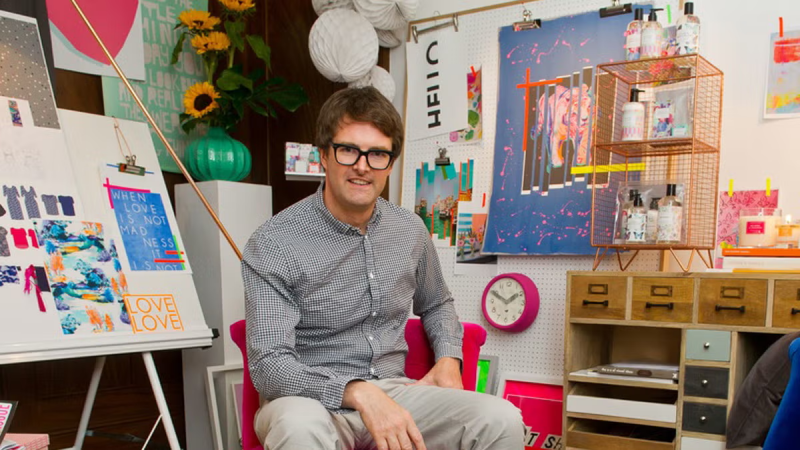
Oliver Bonas grew slowly enough to keep its personality, but strongly enough to become a serious retail business. From one London shop, it expanded into a network of stores across the UK and Ireland, while also building an online presence. The company now sells fashion, homeware, furniture and gifts, and FashionNetwork reported that it operated 90 stores in the UK and one in the Republic of Ireland in its 2024 accounts coverage.
| Stage | What Happened | Why It Matters |
| Early sourcing | Tress brought back products from Hong Kong and sold them informally. | The brand began from personal taste rather than a corporate retail formula. |
| First store | The first Oliver Bonas shop opened in London in 1993. | The small selling idea became a proper retail business. |
| Category mix | The store combined jewellery, accessories, homeware, gifts and fashion. | It helped create the browsing-led lifestyle format the brand is known for. |
| Store expansion | The business grew from one shop into a national store network. | It proved that the concept could work beyond one London location. |
| In-house design | Oliver Bonas moved from curating others’ designs to developing more of its own. | The brand became more distinctive and less dependent on external products. |
| Modern scale | The company reported £150.285 million turnover in 2024. | It shows that Oliver Bonas is now a major independent lifestyle retailer. |
A key shift in the business was the move from curating products to creating more products internally. Oliver Bonas says it has progressed from curating other people’s designs to developing its own through in-house creative studios, with new products landing in stores and online every week.
What Made His Retail Style Different
Tress’s retail style sits between fashion, homeware and gifting. That is what made Oliver Bonas different. It was not a pure clothing brand, not a homeware warehouse and not a traditional gift shop. It occupied the middle ground where a shopper might buy earrings, a dress, a mug, a lamp, a card and a birthday present in the same visit.
The brand’s strength is the feeling of curation. A good Oliver Bonas store does not feel like a stockroom. It feels arranged, colourful and personal. The products are accessible, but they still carry a sense of design. This is why the brand appeals to customers who want something more interesting than a supermarket gift aisle but less intimidating than luxury retail.
There are a few things that make the Oliver Bonas model stand out:
- The product mix gives customers several reasons to enter the store, whether they are shopping for themselves, buying a gift or browsing without a clear plan.
- The design language is bright and recognisable, which helps the brand feel consistent even when the categories change.
- The business uses stores as discovery spaces, not only as transaction points, which is important in a retail market where online shopping has made ordinary stores easier to ignore.
- The brand has kept a founder-led identity even while growing, which helps it avoid the flat feeling that can happen when independent retail concepts expand too quickly.
This is where Tress’s influence is easiest to see. He did not only create a company. He created a retail mood.
Business Performance and Scale
Oliver Bonas is now far beyond the small-shop stage. FashionNetwork reported that the company’s turnover increased to £150.285 million in 2024 from £135.783 million the previous year. Profit after tax, however, fell to £5.463 million from £6.826 million, showing that the business grew in sales while still facing pressure on profitability.
That difference between sales growth and profit pressure is important. It shows the modern challenge for Oliver Bonas and for high-street retailers in general. Store expansion, staff costs, rent, inflation, logistics and cautious consumer spending can all affect margins. A biography of Oliver Tress should not present the company as a simple success story with no complications. The better story is that he built a loved retail brand, but the business still has to operate in a difficult UK retail environment.
Companies House filing history shows Oliver Bonas Limited filed group accounts for the year ending 31 December 2024 in September 2025, which supports the view that the company remains an active, sizeable private retail business with public filings but without the same transparency as a listed company.
Workplace Culture and Values
Oliver Bonas has also built a public reputation around staff culture. In 2015, The Guardian reported that Oliver Bonas became the first high-street chain in Britain to promise its staff an independently calculated living wage. At the time, the retailer employed 500 people across 43 shops and its Chessington warehouse, rising to 650 during the Christmas period.
This matters because retail is often criticised for low pay, unstable hours and high staff turnover. The Living Wage move gave Oliver Bonas a different employer image. Tress said at the time that the company wanted to pay a wage that reflected hard work, loyalty and the real cost of living.
For a founder profile, this is an important point. Tress’s public business image is not only tied to design and product taste. It is also tied to a company culture that has tried to present itself as kinder and more people-conscious than the average high-street retailer.
Leadership Style
Tress’s leadership style appears more founder-led and instinctive than corporate. In interviews, the Oliver Bonas story often returns to curiosity, product judgement, people and the ability to let the business evolve from a small idea into a broader lifestyle brand. A 2017 Jazz Shapers profile described him as still being committed to design and supported by a team that shares the company motto, “Work Hard, Play Hard & Be Kind.”
That phrase helps explain the public personality of the brand. Oliver Bonas does not sell itself as cold, luxury or minimalist. It presents itself as warm, playful and design-aware. In that sense, the company’s tone mirrors the founder’s story: informal beginnings, curiosity-led buying, and a belief that retail should feel human.
A 2025 founder interview description also says Tress discussed personal challenges, including a recent ADHD diagnosis, and how it influences his leadership style. This should be mentioned carefully, not used to define him. It adds context to how he talks about creativity, imperfection and leadership, but it should not be turned into a simplified explanation for his business success.
Personal Life
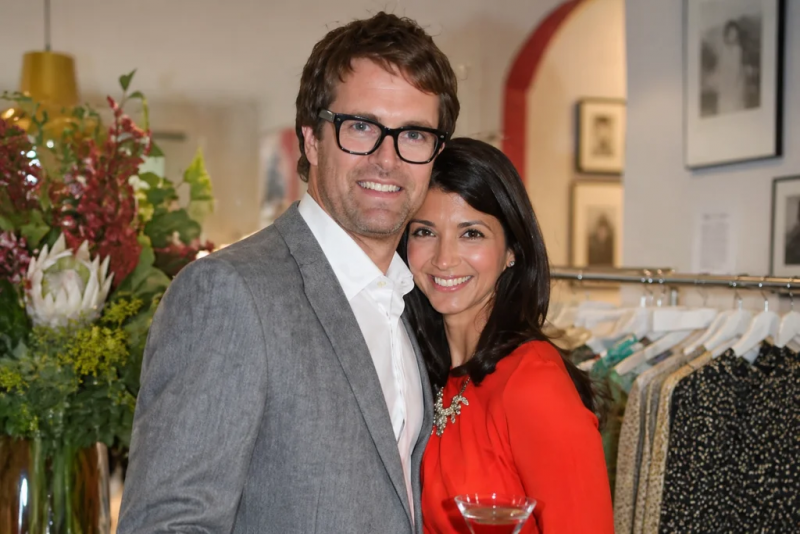
Oliver Tress’s personal life became widely searched because of his past marriage to Gina Coladangelo. The Standard reported that Tress and Coladangelo married in 2009 and have three children together. Coladangelo worked as marketing and communications director for Oliver Bonas, while also becoming publicly known through her connection to Matt Hancock during his time as UK health secretary.
This part of his biography needs balance. Tress did not become known because he was seeking celebrity attention. His name entered wider public discussion because of the media coverage around Coladangelo and Hancock. For readers, that explains why someone who had mostly been known in retail and business circles suddenly became a subject of mainstream curiosity.
A strong biography should include this section, but it should not allow it to dominate the article. The business story is the reason Tress is important. The personal-life coverage explains why many people search his name.
Net Worth
Oliver Tress’s exact net worth is not publicly confirmed. This is important because many online profiles repeat estimated figures without explaining their limits. The Standard reported an estimated net worth of around £12 million, but that figure should be treated as a media estimate rather than an official financial disclosure.
The better measure of his business success is the company he built. Oliver Bonas reported £150.285 million in turnover for 2024, along with profit after tax of £5.463 million. Those numbers do not directly equal Tress’s personal wealth, but they show the size and seriousness of the business behind his name.
Because Oliver Bonas is a private company, Tress’s personal wealth is harder to calculate than that of a founder whose company is listed on the stock market. Any article about him should avoid presenting a precise net worth as fact unless it comes from official financial disclosure.
Hidden Facts and Lesser-Known Details
Oliver Tress’s story has several details that make the article more interesting without turning it into gossip.
- Oliver Bonas did not begin with a large business plan. It grew from Tress bringing back products from Hong Kong and selling them to friends and wider networks.
- The first store opened in 1993, but the brand identity came from a product mix rather than one single category.
- The name Oliver Bonas is often misunderstood, because many people assume it is the name of one person. In reality, it combines Tress’s first name with “Bonas,” which has been linked in public reporting to Anna Bonas.
- Oliver Bonas became notable as an employer in 2015 when it moved to pay staff the independently calculated Living Wage.
- The brand now develops more of its own products through in-house creative studios rather than only curating outside designs.
These details help separate Tress from a generic founder profile. His story is not about fast tech growth or celebrity entrepreneurship. It is about taste, timing, store experience and long-term brand building.
Public Image
Oliver Tress has a slightly unusual public image. In retail, he is seen as the founder of a recognisable British lifestyle brand. Among general readers, his name is often searched because of Gina Coladangelo and the Matt Hancock controversy. Those two images are very different.
The business image is built around independent retail, design-led products and a company that grew from one store to a national presence. The media image is more personal and came from circumstances outside the normal business story. A fair biography should separate the two. Tress’s public relevance did not start with the scandal, and it should not be reduced to it.
His public style is also quieter than many modern founders. He is not known for constant social media commentary or aggressive personal branding. The brand speaks more loudly than the founder. That makes him different from entrepreneurs who become as famous as the companies they build.
Why People Search for Him
People usually look up Oliver Tress for three main reasons. First, they know Oliver Bonas as a shop but want to know who owns or founded it. Second, they are interested in how a small retail idea became a national lifestyle brand. Third, they come across his name through stories about Gina Coladangelo and Matt Hancock.
That search pattern is why an article about him needs more than a short biography. Readers are not only asking “Who is Oliver Tress?” They are also asking how he made his money, what Oliver Bonas is, why his name appeared in the news, and whether there is more to his story than the headlines.
Influence in British Retail
Oliver Tress’s influence is visible in the kind of retail experience Oliver Bonas helped popularise. The brand sits between gift shop, fashion boutique and homeware store. It made colourful, design-led shopping feel accessible on the British high street.
That influence is not loud, but it is real. Many retailers try to create a browsing experience where customers discover products across categories. Oliver Bonas has done this for years with a clear visual identity. The brand’s stores are built around the pleasure of finding something unexpected, which is harder to achieve than simply stocking popular products.
His place in British retail comes from building a brand that still feels curated after expansion. That is difficult. Many founder-led retail brands lose personality as they grow. Oliver Bonas has managed to keep a recognisable tone across stores, products and online shopping.
Challenges and Criticism
No serious biography should present Tress’s business story as flawless. Oliver Bonas has had to deal with the same pressures affecting much of UK retail: high operating costs, cautious consumer spending, inflation, online competition and the difficulty of keeping stores profitable.
The 2024 accounts show this clearly. Turnover increased, but profit after tax fell. That tells a more realistic story than simple growth numbers. Oliver Bonas is still expanding and still popular, but it operates in a market where growth does not automatically mean higher profit.
There is also the challenge of originality. A brand built around taste has to keep feeling fresh. If products become too predictable, customers may drift to cheaper alternatives, independent boutiques or online marketplaces. Tress’s long-term challenge is not only to grow Oliver Bonas, but to protect the feeling that made people like it in the first place.
What Makes Oliver Tress Different
Oliver Tress stands out because his success came from retail instinct rather than public performance. He did not build a brand around being a celebrity founder. He built it around products, stores and a feeling.
His difference comes down to three things. First, he understood that customers enjoy discovery. Second, he created a flexible lifestyle format before that category became crowded. Third, he kept the company closely tied to design and personality even as it expanded.
There are many founders who can open a shop. Fewer can build a shop that customers remember. That is the real difference in the Oliver Tress story.
The Bigger Picture
Oliver Tress’s biography is best understood as the story of a private founder who turned personal taste into a recognised British retail brand. His early exposure to different countries, his anthropology background, his Hong Kong sourcing experience and his decision to avoid the standard graduate path all shaped the business that became Oliver Bonas.
Public curiosity around his personal life brought his name to a wider audience, but it is not the main reason he matters. His real importance lies in building a lifestyle retailer with a clear identity, strong customer recognition and national scale. Oliver Bonas began as a small, instinctive idea. Under Tress, it became a brand that helped define a warmer, more design-led corner of the British high street.