
XXXXL Size Explained : A Complete 4XL Clothing Guide for Real Bodies

By Smiley
Updated May 15, 2026
XXXXXL (4XL) is a plus‑size clothing label that sits above XXXL and below 5XL, designed for people who need noticeably more room at the chest or bust, waist, hips and often in garment length. It’s not a single fixed measurement, but a flexible size band that changes between brands, countries and even garment types.
What exactly Is XXXXL (4XL) Size?
XXXXL, or 4XL, literally means “extra extra extra extra large.” In most size runs you’ll see a sequence like:
S – M – L – XL – XXL – XXXL – XXXXL (4XL) – 5XL – 6XL and above.
In practice, 4XL belongs to the plus‑size or big‑and‑tall range. It’s intended for bodies that find XL, XXL or even XXXL too tight when they sit, move or breathe deeply. That extra “X” usually translates into more ease around the midsection, chest or bust, hips and upper arms, plus a bit more length so garments don’t ride up.
It’s important to stress that XXXXL is a range, not a universal measurement. One brand’s 4XL can feel like another brand’s 3XL or like a compact 5XL. That’s why the tag is only a starting point; the actual inch or centimetre measurements tell the real story.
What Does XXXXL Mean in Measurements?
Most brands don’t publish the same numbers, yet their charts tend to cluster in similar bands. A clear way to position XXXXL for readers is to talk about typical measurement zones.
For many men’s tops like shirts and T‑shirts, 4XL often falls somewhere in the low‑50s to high‑50s inches in chest measurement, with a proportionally larger waist. Women’s plus‑size charts usually place XXXXL around the high‑40s to mid‑50s inches for bust, and higher numbers again for hips.
The following table summarises the common ranges and what they imply:
| Category | Key focus area | Typical XXXXL (4XL) band* | What it signals about fit |
| Men’s tops | Chest | ~52–58 in | Extra room across chest and torso |
| Men’s bottoms | Waist | ~48–54 in | More ease at waist and tummy |
| Women’s tops/dress | Bust | ~48–56 in | Designed for fuller bust and upper body |
| Women’s bottoms | Hips | ~50–58 in | Space for wider hip, seat and thigh area |
*These are broad, illustrative bands compiled from common plus‑size charts; individual brands may sit outside these ranges.
In simple terms, XXXXL is intended to give breathing room. If XXL cuts into the waist when someone sits, or XXXL pulls across the belly even though the chest is fine, 4XL is the logical next step.
How XXXXL Compares to 2XL, 3XL, 5XL and Above
Most brands build their plus‑size range like a ladder. Each extra “X” is one rung up, adding extra room across key girth measurements. But the exact jump between sizes is decided by the brand.
Broadly, the ladder works like this:
- 2XL is the first step beyond XL and is usually considered the entry into plus‑size.
- 3XL is the next step, adding a couple of inches to bust/chest and hips.
- 4XL (XXXXL) adds another step of ease on top of 3XL.
- 5XL continues the pattern, with 6XL and above entering extended plus‑size.
This progression can be framed in a compact table:
| Label | Role in size run | Rough change vs previous size* |
| 2XL | Entry plus‑size | +1–2 “standard” sizes |
| 3XL | Larger plus‑size | Typically +2–4 in in girth |
| 4XL | Extra‑large plus‑size | Another +2–4 in in girth |
| 5XL | Extended plus‑size | Further +2–4 in in girth |
| 6XL+ | Extended / specialty | Brand‑specific increments |
*Values are conceptual: each step is usually a “meaningful but not dramatic” jump in fit.
The intuitive way to set expectations is to ask readers to imagine loosening a belt. Moving from 3XL to 4XL in a consistent brand should feel like loosening the belt by one or two notches, and going from 4XL to 5XL is another similar adjustment. The real‑world catch is that some brands grade more aggressively or more gently, so this “one‑notch” analogy works better inside a brand than across brands.
Why XXXXL Size Varies Between Brands
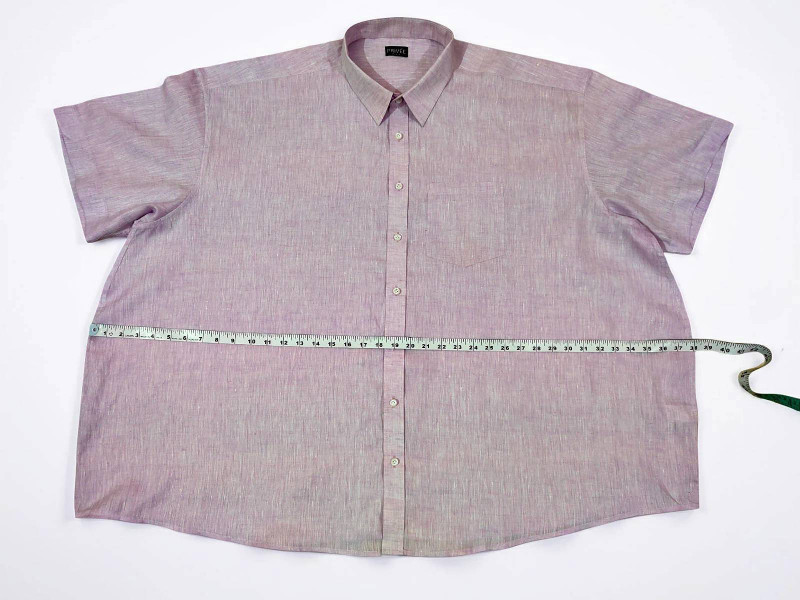
Anyone who has worn 3XL in one label, 4XL in another and 2XL in a very “generous” brand has already experienced the absence of standardisation. This inconsistency is not random; it’s baked into how fashion sizing evolved.
There is no single global sizing law. Governments and industry bodies sometimes publish reference charts based on national body measurements, but most fashion brands treat them as suggestions. They select or build a base chart, then adjust it to suit their aesthetic and target customer.
Each brand also designs around a particular body type. A label aimed at tall, straight‑built customers will produce a narrower, longer 4XL, while a brand that focuses on curvier or stockier shapes will put more of that extra fabric into the midsection, hip and seat. On top of that, some labels use vanity sizing, deliberately labelling larger garments with smaller tags so shoppers feel better, which makes comparison even harder.
Fabric and style amplify this variation:
- A slim‑fit, non‑stretch cotton shirt in 4XL will feel much snugger than a relaxed‑fit jersey T‑shirt in 4XL, even within the same brand.
- Tailored garments (blazers, pencil dresses, structured kurtas) have less tolerance than casual knits, so micro‑differences in grading show up more sharply.
The practical message for readers is clear: XXXXL functions as a rough category, not a guarantee. For real accuracy, they need to look at the actual measurements in inches or centimetres, the fabric description and user reviews.
Clothing Categories Commonly Available in XXXXL
For a long time, plus‑size shoppers could find their size only in a small corner of the store, with limited styles. Today, 4XL is increasingly present across an entire wardrobe, though coverage still varies by market and brand.
Everyday and casual clothing
In everyday wear, XXXXL is now common in T‑shirts, polos and casual shirts, as well as women’s tops, tunics and blouses. On the bottom half, many labels carry jeans, chinos, leggings, joggers and casual skirts up to 4XL. These are the pieces people rely on for work‑from‑home outfits, college days, grocery runs and long journeys, where comfort, easy care and mix‑and‑match styling matter.
Office and formal wear
Office wardrobes in XXXXL have grown more sophisticated. Many brands offer formal shirts and tailored trousers in 4XL, with matching belts and sometimes suiting separates. For women, office‑appropriate 4XL outfits often include sheath or A‑line dresses, structured tops, palazzo sets and long kurtas with narrow or straight‑cut bottoms. The aim is to combine a polished appearance with enough ease that the wearer can sit through meetings without feeling constricted.
Ethnic and occasion wear
In regions where ethnic clothing is central, plus‑size users increasingly expect proper 4XL options in long kurtas, Anarkali‑inspired silhouettes, lehenga‑style skirts and party dresses. These garments come into play at weddings, festivals and significant family events. For many shoppers, the first time they find an ethnic outfit that truly fits in XXXXL marks a turning point in how included they feel in cultural occasions.
Activewear and loungewear
Activewear in 4XL sends a strong message that larger bodies belong in movement spaces. Availability is growing in track pants, shorts, sports T‑shirts, leggings, yoga pants and athleisure jackets. Plus‑size jerseys and fanwear allow supporters to wear their team colours without compromise. Loungewear and sleepwear in XXXXL—night suits, pyjama sets, kaftans and oversized T‑shirts—support both home comfort and remote work.
The spread of XXXXL across the wardrobe can be captured in one view:
| Category | Typical 4XL items | Where users rely on them |
| Everyday wear | Tees, shirts, jeans, leggings, joggers | Daily routines, travel, casual outings |
| Office/formal | Formal shirts, dresses, kurta sets | Work, interviews, business meetings |
| Ethnic/occasion | Kurtas, Anarkalis, lehenga skirts, party dresses | Weddings, festivals, family events |
| Activewear | Track pants, sports tees, leggings, jerseys | Gym, walking, yoga, sports, athleisure |
| Loungewear | Night suits, pyjamas, kaftans, oversized tees | Home, WFH, relaxed weekends and holidays |
This makes it clear that XXXXL is no longer confined to “one rack of baggy basics” but is steadily spreading into all major clothing categories.
Fabrics That Improve Comfort in XXXXL
Good fabric options include:
- Cotton: breathable, gentle on skin and ideal for everyday 4XL clothing like T-shirts, kurtas and casual tops.
- Linen or linen blends: great for warm or humid weather, with better airflow and a relaxed look.
- Rayon, viscose and modal: soft, drapey fabrics that work well for dresses, tunics and flowy tops.
- Stretch knits: cotton-spandex jersey, ponte knits and elastane-rich fabrics move better around the tummy, hips and arms.
- Crepe and soft suiting blends: useful for workwear or occasion wear because they give structure without feeling stiff.
Avoid fabrics that are too rigid, clammy or non-breathable. Very stiff wovens, cheap synthetics and thin clingy jerseys can trap heat, highlight fit issues or twist during wear.
A simple rule is to choose fabrics that offer breathability, softness and a little stretch, especially for all-day comfort.
Design and Fit Details That Make XXXXL Work
Pattern and construction matter greatly in XXXXL clothing. Even two garments with the same measurements can feel very different depending on how they are cut, shaped and stitched.
Good plus-size design includes:
- Extra ease at the tummy, hips, seat and upper arms so the garment skims instead of grips.
- Shaping details like princess seams, darts and side panels to keep the garment structured.
- Deeper armholes or gussets to reduce pulling and chafing during movement.
- Higher back rise and contoured waistbands in bottoms so they stay comfortable while sitting or bending.
- Side slits in tunics and kurtas for easier walking and less tightness around the hips.
Silhouettes also make a difference. A-line, fit-and-flare, wrap and faux-wrap styles are often more forgiving because they allow room at the midsection while keeping shape at the shoulders or waist.
For bottoms, straight or relaxed-leg fits usually move better than very skinny styles. In loungewear and activewear, wide waistbands, covered elastic and drawstrings help spread pressure more comfortably.
A useful try-on test is to sit, raise both arms and take a few long steps. If the garment stays comfortable during these movements, it is more likely to work well for daily wear.
Is Demand for XXXXL and Larger Sizes Increasing?
Demand for extra‑large and plus‑size clothing, including 4XL and above, has been on a clear upward curve in many markets. Multiple factors combine to drive this shift.
Average body sizes have risen over time due to lifestyle changes, diet and urban living patterns, so a larger share of the population now falls into XL+ ranges than a couple of decades ago. At the same time, body positivity and size‑inclusion movements have challenged the idea that larger bodies should hide or postpone buying clothes they enjoy until they lose weight. This mindset change translates directly into higher demand for well‑designed XXXXL garments.
E‑commerce has made it much easier to serve that demand. Online platforms can carry extended size ranges without the physical constraints of store racks. Shoppers filter by size, read reviews and use flexible return policies to test fits with less social pressure than in a changing room. Once plus‑size users experience good‑looking, good‑fitting 4XL pieces in several categories, they stop treating clothing as a compromise and begin to build full wardrobes.
The result is a reinforcing loop: expanded offerings in XXXXL create more demand, and growing demand convinces more brands to treat 4XL as a mainstream size rather than a niche.
How to Choose the Right XXXXL Size for Yourself
Shopping at XXXXL becomes much easier once you stop treating the label as a verdict on your body and start treating it as a technical specification.
The process starts with measuring your body: bust or chest, waist, hips and, for bottoms, inseam. Comparing those numbers to each brand’s chart reveals whether you truly need 4XL in that specific garment or if 3XL or 5XL might be more accurate. It is perfectly normal to be 4XL in one brand and 3XL or 5XL in another, or to wear different sizes on top and bottom.
Reading the fabric description helps you anticipate fit. A slim‑fit woven shirt with no stretch in 4XL will always behave differently from a relaxed‑fit cotton‑spandex T‑shirt in the same nominal size. Customer reviews, especially those where reviewers share height, weight or body shape, add a reality check to the marketing photos.
Most importantly, comfort should overrule the number on the tag. If a 3XL in one brand feels perfect while their 4XL feels oversized, or if you move up to 5XL in a rigid fabric for the sake of comfort, that is not a failure. It is exactly how the system is meant to be used.
Verdict: What XXXXL Really Represents
XXXXXL size is more than just “very large clothing.” It represents a sizeable group of people who were historically underserved by fashion, now finally getting closer to the choice, comfort and style that straight‑size shoppers have always enjoyed.
When XXXXL is done well, it looks like this: the measurements match real bodies instead of a stretched version of a small pattern, the fabrics are breathable and thoughtfully chosen, and the designs are properly engineered with extra ease, smart seam placement and forgiving silhouettes. Users can find this size across categories, from daily wear and office outfits to ethnic wear, activewear and party clothing, instead of being pushed toward one narrow style.
For any individual user, the healthiest approach is to treat XXXXL as a tool, not a label of worth. The goal is not to “fit into” a particular letter, but to find clothes that respect your body, support your lifestyle and make you feel like yourself.